Get Concrete Crack Sealing
Concrete crack sealing services help property owners repair and prevent further damage in driveways, sidewalks, and other concrete surfaces by sealing existing cracks.
Property owners in the area often face the practical considerations of maintaining a durable and safe outdoor space. Cracks in concrete surfaces can lead to water intrusion, further deterioration, and potentially costly repairs if left unaddressed. Exploring concrete crack sealing options can help preserve the integrity of driveways, sidewalks, and other concrete features, ensuring they remain functional and visually appealing over time.
For those planning renovation or maintenance projects, comparing local contractors who specialize in crack sealing can provide valuable insights into available services and expertise. Connecting with experienced service providers can help property owners make informed decisions about protecting their investments and maintaining the safety of their outdoor environments. Keep reading to learn more about how local concrete crack sealing options can meet your specific needs.
- Residential foundations - homeowners may need crack sealing to prevent further damage and maintain structural integrity.
- Commercial building slabs - businesses might seek crack repair to ensure safety and compliance.
- Driveway surfaces - property owners often look for crack sealing to improve curb appeal and longevity.
- Garage floors - homeowners and contractors may require sealing to prevent water intrusion and deterioration.
- Sidewalks and walkways - property managers may need crack sealing to reduce trip hazards and enhance safety.
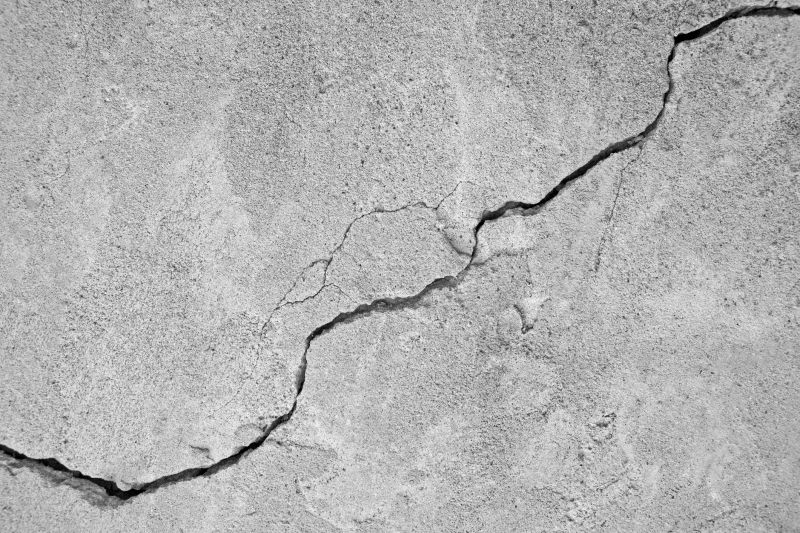
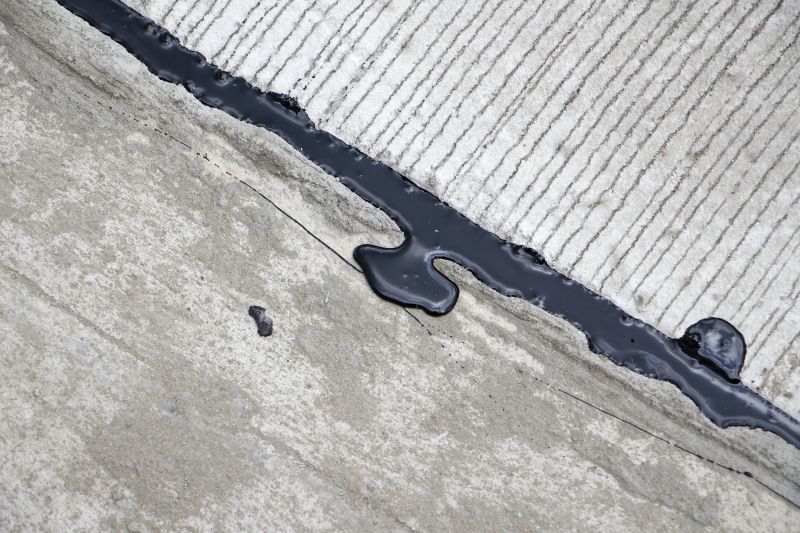
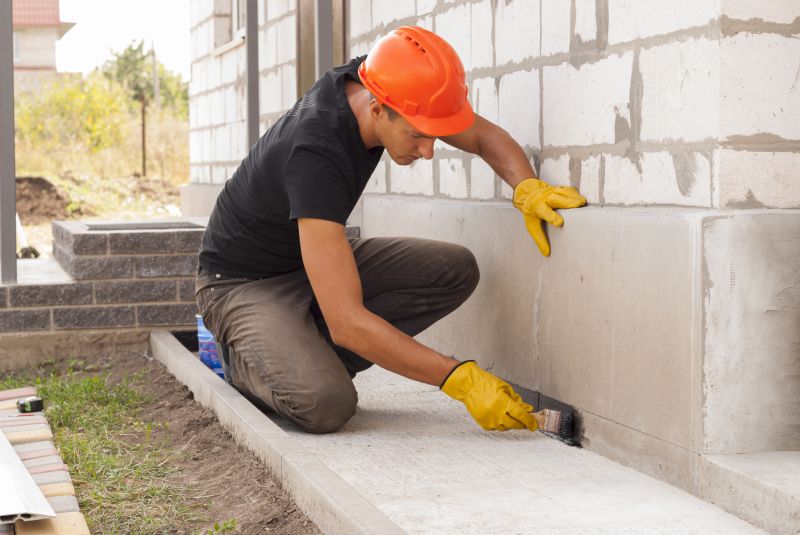
Concrete crack sealing services involve the process of identifying and filling cracks that develop in concrete surfaces. Over time, concrete can develop small or large cracks due to settling, temperature changes, or heavy use. These cracks are cleaned out to remove debris and then sealed with specialized materials designed to prevent water infiltration and further deterioration. Proper sealing helps maintain the integrity of the concrete, prevents the growth of larger cracks, and extends the lifespan of the surface.
This service is essential for addressing common problems such as uneven surfaces, water leaks, and structural weakening caused by cracks. When water seeps into cracks, it can cause the concrete to expand and contract, leading to larger, more costly repairs down the line. Crack sealing also helps prevent weeds and pests from taking root in the gaps, which can further damage the surface. Property owners often seek this service to preserve the appearance of their driveways, patios, sidewalks, or foundation slabs, and to avoid more extensive repairs that could be needed if cracks are left untreated.
Concrete crack sealing is frequently used on residential properties, including driveways, walkways, and garage floors, where cracks can create tripping hazards or reduce curb appeal. Commercial properties, such as parking lots and storefronts, also benefit from crack sealing to maintain safety and appearance. Additionally, some industrial facilities with large concrete surfaces utilize this service to ensure their operational areas remain safe and functional. The work is suitable for any property where cracks have appeared and there is a desire to protect the concrete from further damage and deterioration.
When cracks in concrete surfaces become noticeable or start to expand, it’s a sign that sealing may be needed. Homeowners and property managers who want to prevent water damage, maintain safety, or improve the look of their surfaces often turn to local contractors specializing in crack sealing. These professionals can assess the extent of the damage, recommend appropriate sealing solutions, and perform the work efficiently. Contacting local pros ensures that property owners receive tailored solutions to keep their concrete surfaces durable and in good condition.
The overview below groups typical Concrete Crack Sealing projects into broad ranges so you can see how smaller, mid-sized, and larger jobs often compare in your area.
In many markets, a large share of routine jobs stays in the lower and middle ranges, while only a smaller percentage of projects moves into the highest bands when the work is more complex or site conditions are harder than average.
Smaller Repairs - For minor cracks and surface sealing, local contractors typically charge between $250 and $600. Many routine jobs fall within this range, depending on the extent of the damage and the size of the area.
Moderate to Large Projects - Larger crack sealing jobs, such as extensive surface repairs or moderate crack widths, generally cost between $600 and $2,000. These are common for residential driveways and small commercial areas.
Full Crack Repair or Resurfacing - Projects involving significant crack filling and surface restoration can range from $2,000 to $5,000 or more. Fewer projects reach the upper end, which is typical for larger or more complex surfaces.
Full Replacement or Major Overhaul - Complete removal and replacement of concrete surfaces, including extensive crack sealing, can exceed $5,000. These larger projects are less common and depend on the size and condition of the concrete.
Actual totals will depend on details like access to the work area, the scope of the project, and the materials selected, so use these as general starting points rather than exact figures.
Foundation Repair - foundation repair involves diagnosing and sealing cracks in concrete structures, utilizing similar tools and planning as crack sealing services.
Driveway Resurfacing - driveway resurfacing requires surface preparation and crack repair techniques comparable to those used in concrete crack sealing projects.
Sidewalk and Patio Repair - repairing cracks in sidewalks and patios involves similar planning and sealing methods as concrete crack sealing services.
Concrete Surface Restoration - restoring concrete surfaces often includes crack filling and sealing, requiring comparable skills and equipment.
Garage Floor Coating - applying coatings to garage floors involves crack preparation and sealing, paralleling the processes in crack sealing work.
Industrial Concrete Maintenance - maintaining industrial concrete surfaces involves crack detection and sealing, utilizing similar techniques and planning as residential crack sealing.
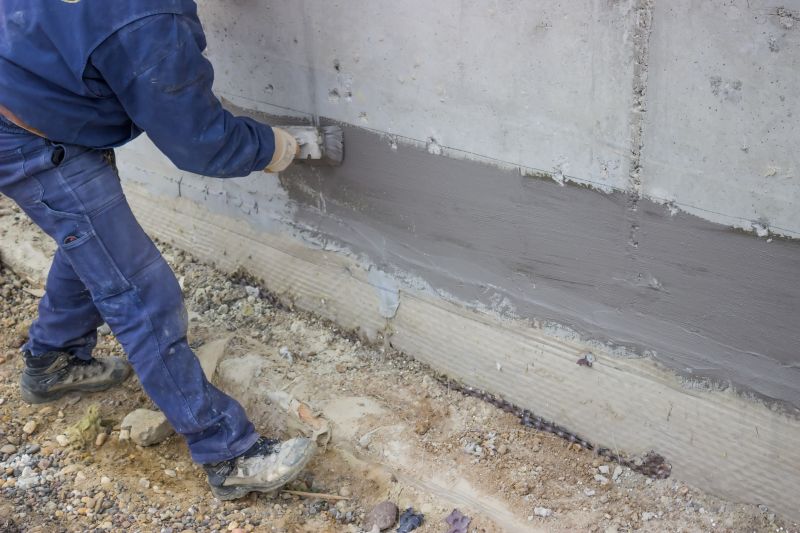
When comparing service providers for concrete crack sealing, it’s important to consider their experience with similar projects. Homeowners should look for local contractors who have a proven track record of handling crack sealing on projects comparable in size and scope. An experienced pro will be familiar with the common causes of cracks in specific types of concrete surfaces and will know the most effective sealing techniques, which can contribute to longer-lasting results. Asking for examples of past work or references related to similar projects can help gauge their familiarity with the challenges involved and their ability to deliver quality outcomes.
Clear, written expectations are essential when evaluating potential service providers. Homeowners should seek detailed descriptions of the scope of work, materials to be used, and the process involved in sealing cracks. Having this information in writing helps ensure that both parties are aligned on what will be done and can prevent misunderstandings. Service providers who are transparent about their methods and willing to provide detailed estimates or project outlines demonstrate professionalism and a commitment to clarity, making it easier to compare options effectively.
Reputable references and strong communication are key indicators of a dependable local contractor. Pros who can provide references from previous clients, especially those with similar projects, offer reassurance about their reliability and quality of work. Good communication throughout the process-responding promptly to questions, providing updates, and being clear about the work involved-also helps create a smooth experience. When choosing a service provider, homeowners should prioritize those who demonstrate professionalism, transparency, and a willingness to keep open lines of communication, ensuring the project proceeds smoothly from start to finish.
Property owners use Concrete Crack Sealing services for practical projects around their homes and businesses. This guide focuses on everyday jobs and straightforward project options.
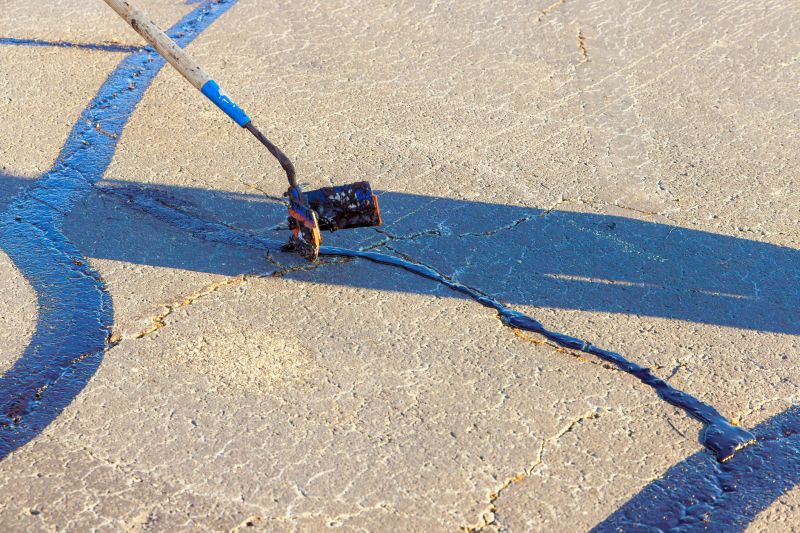
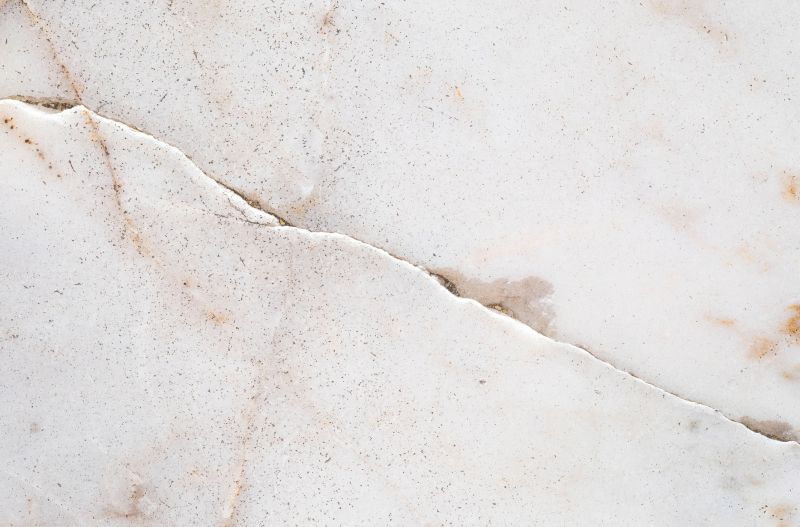
Concrete crack sealing is a common need for property owners dealing with small to moderate cracks that develop over time. These cracks can occur due to natural settling, weather fluctuations, or minor ground shifts, and they might be visible in driveways, walkways, or patios. Local contractors who specialize in crack sealing can help address these issues to prevent further damage, such as water infiltration or larger cracks that could compromise the integrity of the concrete surfaces.
Homeowners and property managers often seek crack sealing services to maintain the appearance and safety of their outdoor spaces. Sealing cracks promptly can help avoid more costly repairs down the line and preserve the value of the property. Local service providers are equipped to assess the condition of concrete surfaces and recommend appropriate sealing solutions to keep walkways, driveways, and other concrete features in good condition.
What is concrete crack sealing? Concrete crack sealing involves filling and sealing cracks in concrete surfaces to prevent water and debris from entering, which can help extend the lifespan of the concrete.
Why should I consider crack sealing for my concrete surfaces? Sealing cracks can help prevent further damage, reduce the risk of water infiltration, and maintain the structural integrity of your concrete.
What types of cracks can be sealed by local contractors? Many common cracks such as surface cracks, small fractures, and hairline cracks can be effectively sealed by experienced service providers.
How do contractors typically perform concrete crack sealing? Contractors usually clean the crack, apply a sealing material designed for concrete, and ensure the sealant is properly smoothed and cured.
Can crack sealing be done on all types of concrete surfaces? Most standard concrete surfaces, including driveways, sidewalks, and patios, can be suitable for crack sealing by local service providers.
Preventing Water Damage - Sealing cracks in concrete can help keep water out of basements and foundations, reducing the risk of leaks and structural issues.
Maintaining Driveways - Filling cracks in driveways prevents them from expanding, which can extend the lifespan of the surface and improve curb appeal.
Enhancing Safety - Sealing uneven or cracked concrete surfaces around walkways and patios can minimize trip hazards.
Protecting Concrete Structures - Local contractors can help seal cracks in concrete walls and floors to prevent further deterioration over time.
If you are thinking about Concrete Crack Sealing for a property, this guide is meant to help you understand the work, the typical project types, and how different options might fit your plans.
When you are ready, you can use the quote form on this page to share a few details about your project. From there, local pros can review the basics and respond with options that match what you have in mind.